Surviving the Gwanghwamun Concert: Restrooms, Shelters & Exits
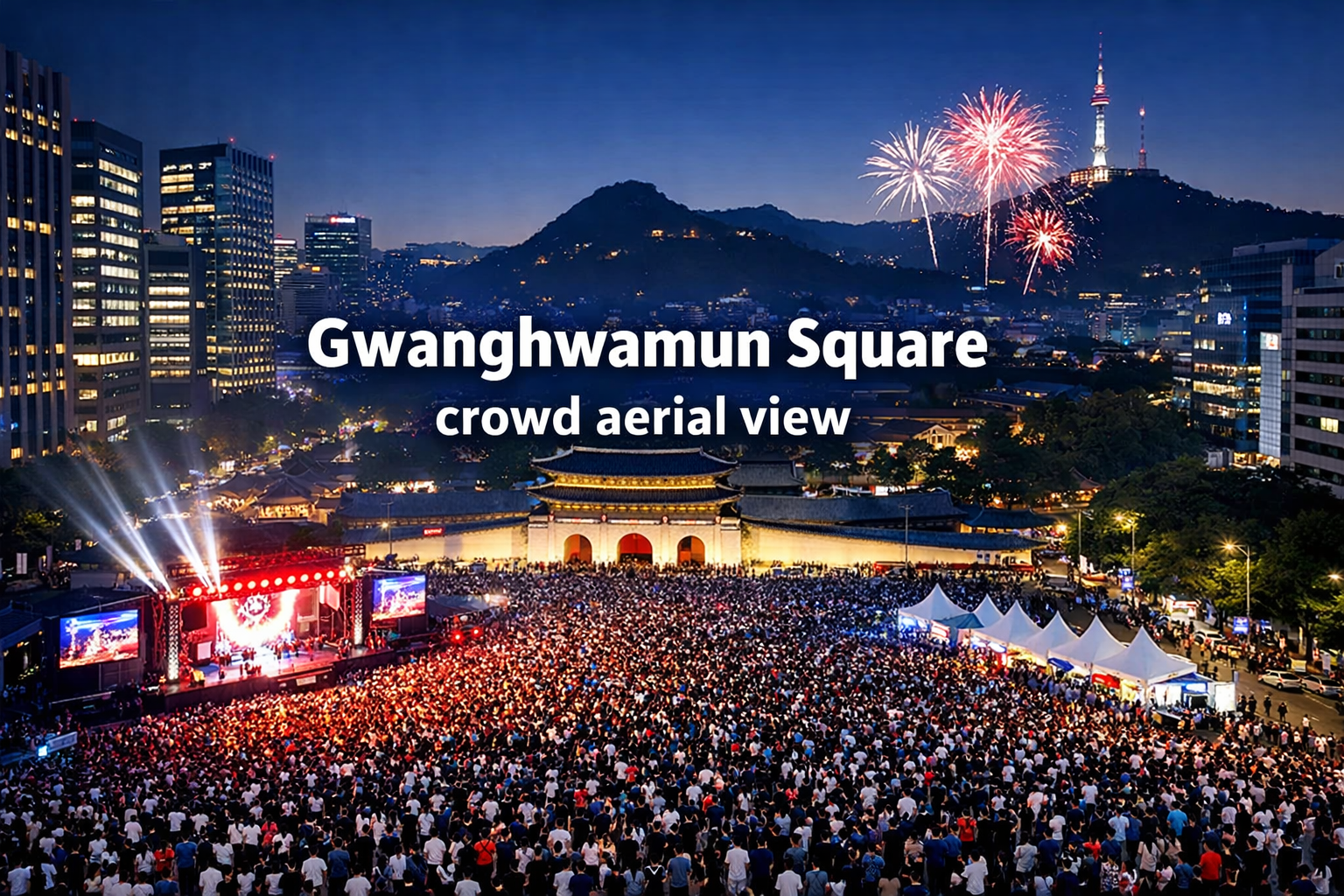
During a BTS Gwanghwamun concert or major Seoul public holiday event, the square fills with well over 50,000 visitors in under an hour. After spending 40 minutes trapped near Exit 5 of Gwanghwamun Station during a large-scale rally, the hard lesson learned was this: the nearest exit is almost never the fastest one. This guide compiles firsthand-tested Gwanghwamun tips on Gwanghwamun restrooms, safe indoor shelters, and crowd escape routes — everything needed for real Seoul crowd safety as an international visitor.
What This Guide Covers
- Nearest restrooms — exact walking times from the stage area
- Safe indoor spots — tested shelters for rain or crowd surges
- 3 exit routes — how to skip the post-concert subway bottleneck
- Offline & no-data tips — navigation for when cell service dies in the crowd
Restrooms Near Gwanghwamun Square
Lines near the stage area regularly exceed 30–40 minutes during peak crowd moments. The good news: Gwanghwamun is surrounded by government buildings, subway stations, and cultural facilities, many of which open their restrooms to the public during major events. Walking just one block away from the main square often means zero to five-minute waits — a dramatic difference that most first-time visitors never discover.
| Location | Type | Walking Time | Key Tips |
|---|---|---|---|
| Gwanghwamun Station (Line 5) | Subway Restroom | 2–3 min | Closest — but busiest during concerts |
| Sejong Center for the Performing Arts | Indoor Public Facility | 4 min | Usually open during large events |
| Kyobo Bookstore (Gwanghwamun) | Underground Mall | 5–6 min | Large facility; multiple stalls |
| Jonggak Station (Line 1) | Subway Restroom | 10 min | Least crowded — top recommended alternative |
Real experience: On a previous visit during a large public gathering, the wait at Gwanghwamun Station restrooms stretched past 35 minutes. After walking 10 minutes south to Jonggak Station, there was no queue at all. That 10-minute walk saved nearly half an hour — and it has been the go-to strategy ever since. Restrooms inside all Seoul subway stations are free to use without a ticket.
Pro tip: Use the restroom at Kyobo Bookstore's underground level before the concert ends — ideally during the final 20 minutes of the show. Once the crowd disperses, that window closes fast.
Emergency Shelters and Safe Indoor Spots
Sudden weather changes or rising crowd density can quickly turn a concert into a stressful situation. Seoul manages large-scale events professionally, but knowing the nearest indoor spaces allows visitors to act independently — without relying on staff directions or data signal.
| Safe Indoor Location | Walking Time | Why It Helps |
|---|---|---|
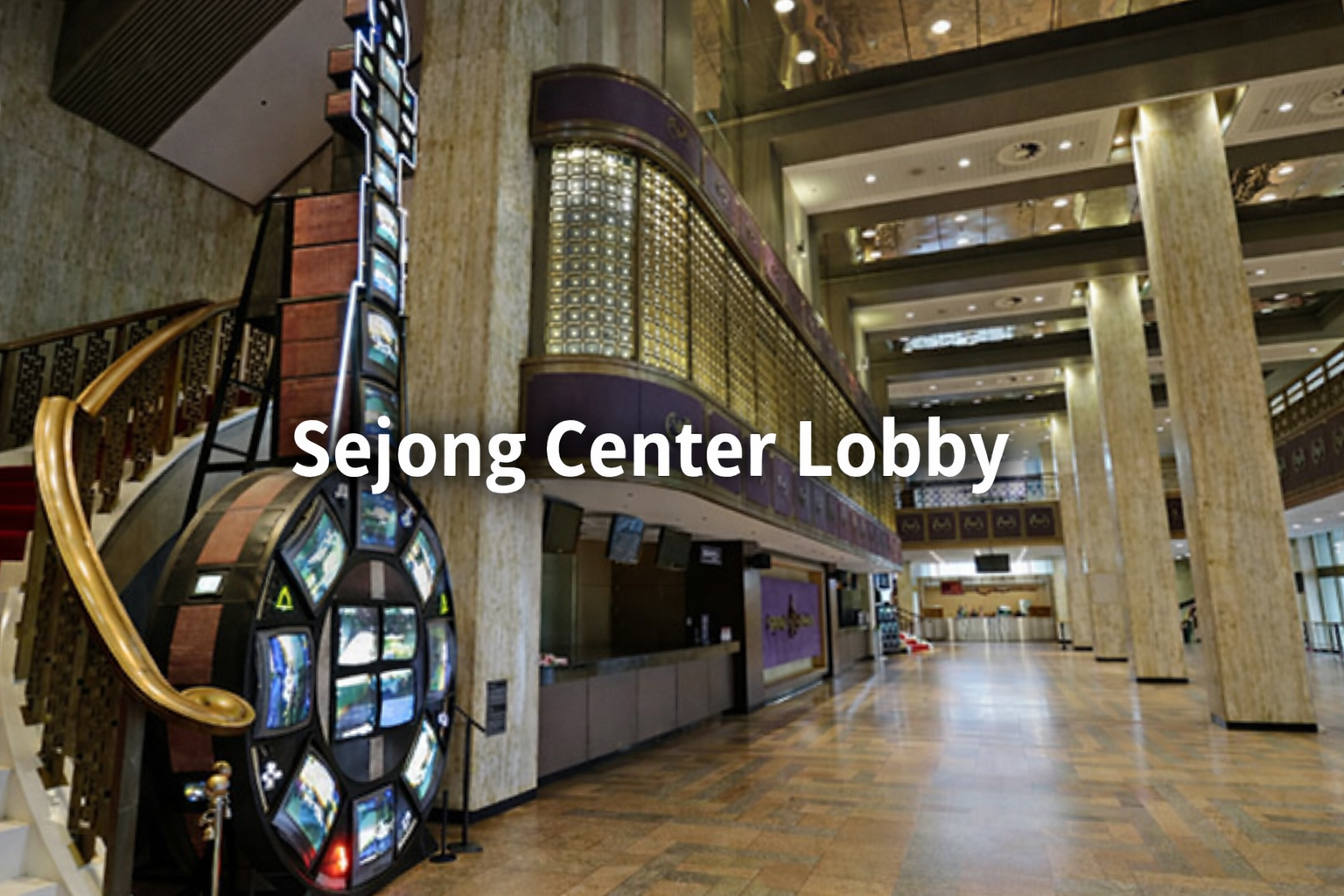
| Sejong Center Lobby | 3–4 min | Large open hall; air-conditioned in summer |
| Kyobo Building Underground | 5 min | Extensive underground mall; warm in winter |
| Government Complex Seoul | 5–6 min | Wide public plaza; security staff present |
| National Museum of Korean Contemporary History | 6 min | Spacious interior; dedicated rest areas |
For BTS ARMY visiting from overseas: When tens of thousands of fans gather, mobile data often becomes completely unusable — even with a Korean SIM card. Before the concert, screenshot the map showing the Sejong Center entrance (the large building directly west of the square with stone steps and tall columns). It is reachable on foot without any app, phone signal, or Korean language skills. Look for the English signage reading "Sejong Center for the Performing Arts" on the building facade — it is always visible from the square.
Important: During nationally significant events, some government buildings may restrict public access. Always check whether the entrance is staffed before relying on a specific building. The Sejong Center and Kyobo Building are the two most consistently accessible options.
Moving indoors for just 10–15 minutes allows the largest crowd waves to pass before resuming movement — a simple tactic that is widely recommended in Seoul crowd safety planning for city-scale festivals.
Exit Routes and Subway Escape Strategy
The single most effective strategy during a BTS Gwanghwamun concert is knowing how to leave the area before the main crowd disperses. When tens of thousands of fans head toward the same station simultaneously, staff will temporarily close certain entrances to manage crowd flow. Most visitors instinctively walk to Gwanghwamun Station (Line 5) — the closest and most visible exit. That is exactly why it becomes the worst choice.
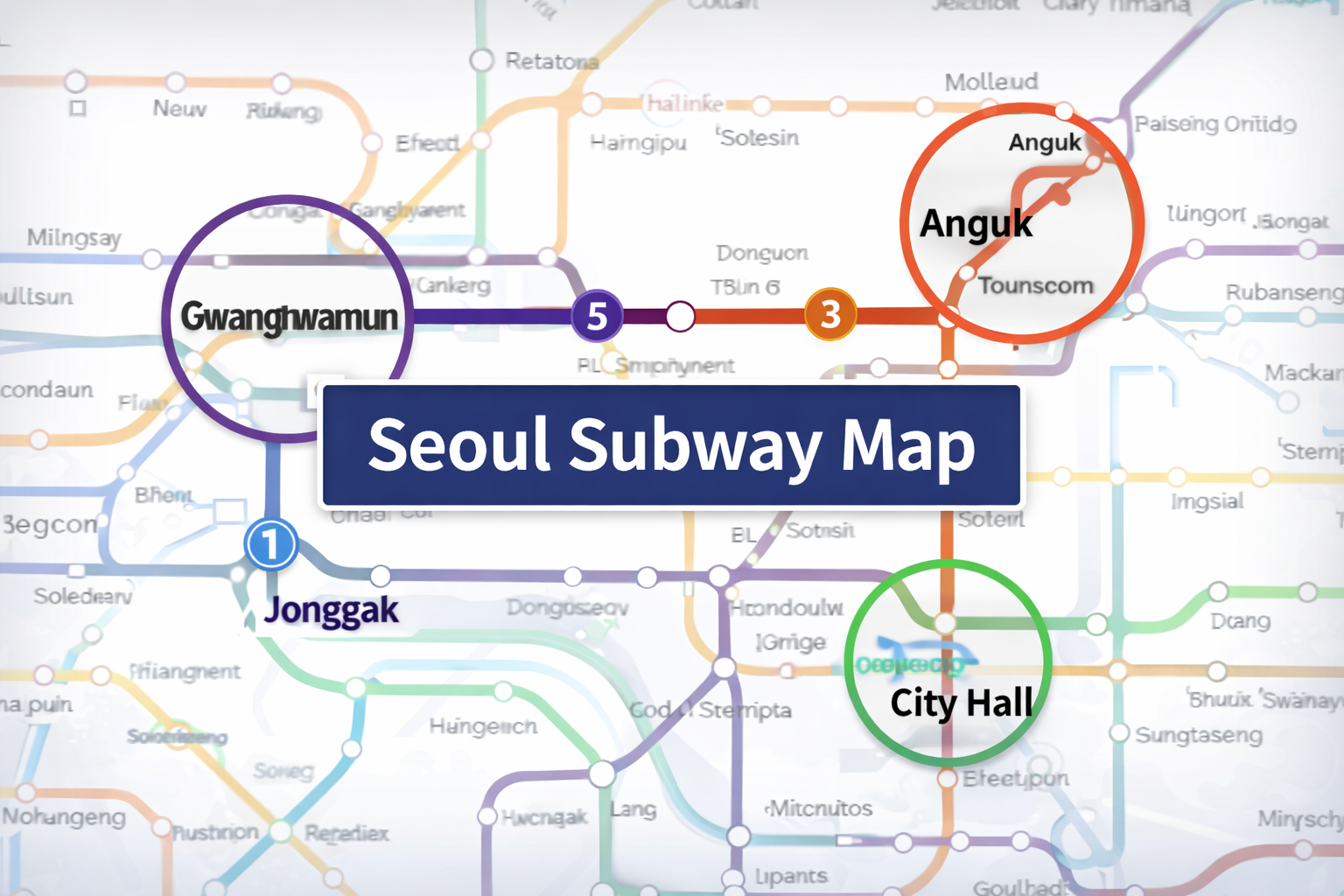
Key data point: Walking an extra 7–12 minutes to an alternate station can reduce total exit time by more than 30 minutes during peak post-concert dispersal. This has been confirmed repeatedly on busy nights at Gwanghwamun.
3 Recommended Crowd Escape Routes
-
Route 1 — Jonggak Station (Line 1) · ~10 min south
The most popular alternative among locals and the most tested option. Walk south along Sejong-daero — the wide main road running directly from the square. No Korean needed: follow the road straight south and look for the underground entrance marked "Jonggak" in English Roman letters on the green subway sign. Line 1 is color-coded dark blue on all station maps. -
Route 2 — Anguk Station (Line 3) · ~12 min east
Ideal for visitors heading toward Bukchon Hanok Village or eastern Seoul. From the square, walk east past the statue of King Sejong — the large bronze figure at the center of the plaza. Continue east and look for "Anguk" on orange subway signage (Line 3 is orange). This route works well even without a data connection: the statue is the landmark, the orange signs are the guide. -
Route 3 — City Hall Station (Lines 1 & 2) · ~14 min southwest
A large interchange station with multiple exits — useful for visitors heading to Myeongdong, Itaewon, or further south. Walk southwest past the U.S. Embassy and follow English street signs toward "Seoul City Hall." The landmark is unmissable: a large curved glass building on the left.
| Escape Route | Station (Line) | Walk from Square | Best For |
|---|---|---|---|
| Route 1 | Jonggak (Line 1 · Dark Blue) | ~10 min south | General exit; least crowded |
| Route 2 | Anguk (Line 3 · Orange) | ~12 min east | Bukchon, eastern Seoul |
| Route 3 | City Hall (Lines 1 & 2) | ~14 min southwest | Myeongdong, Itaewon, south Seoul |
No data? No problem — landmark navigation for ARMY:
Screenshot this before leaving the hotel: King Sejong Statue → walk east → orange "Anguk" sign (Route 2)
or King Sejong Statue → walk south on the wide road → dark blue "Jonggak" sign (Route 1).
Both routes are fully navigable using only English signage and visible landmarks —
no Korean app, no data signal required.
Every subway entrance in Seoul displays its station name in both Korean and English Roman letters.
The full strategy used on past visits: use the Kyobo Building restroom before the final song, wait out the first crowd wave inside the Sejong Center lobby for about 12 minutes, then walk calmly to Jonggak Station with almost no queue. Total additional time: 22 minutes. Time saved vs. Gwanghwamun Station: 35+ minutes. This is the single most effective set of Gwanghwamun tips for any large event.
For official Seoul city maps and real-time event access information: Visit Seoul Map & Guide.
Related Guides
Korea Weather in March 2026: Outfits & Survival Guide — what to wear at an outdoor concert [March 1st] Samiljeol 2026: Korea's Independence Day Guide — Gwanghwamun on public holidays Survive Your First 7 Days in Korea: ARC & Bank Setup 2026 — essential first-visit prepQuick Summary
Knowing the nearest Gwanghwamun restrooms, tested indoor shelters, and alternate subway exits turns a chaotic post-concert crowd into a calm 15-minute walk. With these Seoul crowd safety basics in place — and screenshots saved before the show — any BTS Gwanghwamun concert becomes safe, comfortable, and genuinely memorable.


